Guide 06 Western Australia independent information
Art exhibitions in Perth and Western Australia: how to plan
Planning an art trip in Western Australia is mostly about distance and timing. This checklist covers the questions to settle before you go, from admission to seasons to remote access.
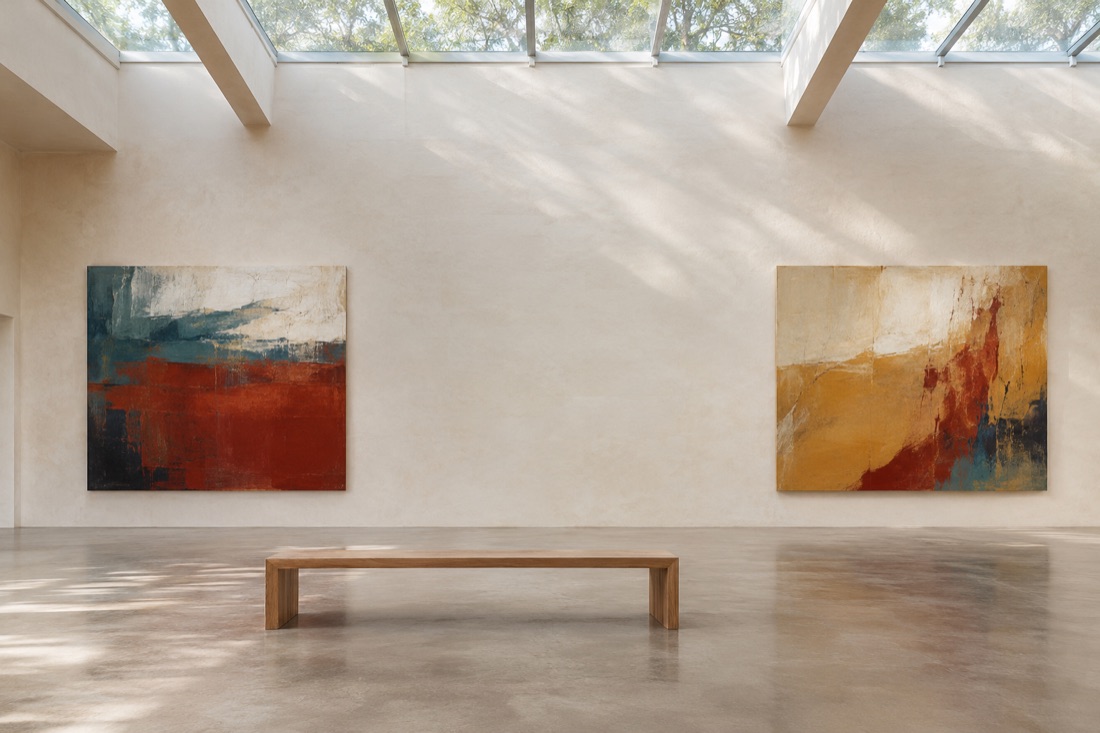
Art exhibitions in Perth: start with distance
Western Australia covers about a third of the Australian continent, so the gap between Perth and the Kimberley is a flight, not a day trip. Group your viewing: one or two days for Perth and Fremantle, a separate trip for the South West, and a dedicated journey north for art centres and rock art.
In the north the dry season, roughly from May to October, is the usual window for travel, since the wet season can close roads. Always check current road and community access notices.
Free art exhibitions in Perth and what to check every time
Before you go, look at the venue's own website for opening days, current exhibitions, admission and access information. Free general entry is common in public galleries, but special exhibitions, workshops and talks may be ticketed. Small regional spaces may open only on selected days.
Look for guided tours, floor talks and artist events, which often add far more than reading labels alone. Photography rules vary by exhibition and are set by the venue and the lenders.
What exhibitions are on right now: where to look
Programmes change often, so this site does not list current shows. The most reliable sources are the what's on pages of the venues themselves, such as the state gallery, PICA and the regional galleries, and the listings that local arts organisations and tourism bodies publish. Searches for this weekend or for the current year are only as good as the page they lead to, so open the venue's own page before you travel.
A simple route for a first trip
Spend a morning at the state gallery, an afternoon at a contemporary space, and a day in Fremantle. If you travel in March, add the coastal sculpture walk. For a longer trip, add a regional stop from our regional guide.
Good habits
Read wall labels for artist, place and materials, and note the names of artists you liked so that you can look for them later. Buy art from a gallery or art centre that can tell you who made the work. Take time in the quiet rooms: the best way to see a painting is to stand in front of it for longer than seems necessary.